

Moving to another country always comes with a long to-do list. Somewhere near the top, next to opening a bank account and getting health insurance, you should add getting a local phone number. It's not just about convenience. In the Czech Republic, without a Czech number, you literally can't open a bank account, book a doctor's appointment online, or get SMS confirmations from government agencies.
The mobile market in the Czech Republic is competitive and quite clear. It's not hard to understand if you know the basic rules.
How the Operator Market Works
There are three major operators in the Czech Republic with their own infrastructure: T-Mobile, O2, and Vodafone. They build the towers, lay the networks, and set the prices. Besides them, there are quite a few virtual operators (MVNOs — Mobile Virtual Network Operators). These companies rent networks from the big three and resell services under their own brand, usually at a lower price.
Popular MVNOs include: Tesco Mobile (uses O2's network, sold in Tesco supermarkets), COOP Mobil (also on O2, in COOP stores), Kaktus (on T-Mobile), OpenCall (on O2, popular with foreigners for affordable international calls), GoMobil, and several others.
Virtual operators are a good choice if you want to save money and don't need premium service or wide coverage in remote areas. However, they might be slower than major operators during peak hours, have lower quality support, and less convenient roaming options.
The Big Three: T-Mobile, O2, Vodafone
T-Mobile
T-Mobile is the largest operator in the country with about a 40% market share and the second-highest number of subscribers (around 5.4 million). Its network covers almost the entire country, including highways and many rural areas. According to independent research from 2026, T-Mobile has the best 4G/5G coverage across the Czech Republic overall.
At T-Mobile stores, you can get the prepaid SIM card called Twist. The starter package includes 15 GB of data + 100 CZK for calls, valid for 30 days, and costs 299 CZK. The operator is popular among foreigners due to its large network of stores and stable signal quality.
O2
O2 is the largest operator by subscriber count, with over 6 million connections. It offers not only mobile services but also home internet, TV, and landline phone service. According to independent Ookla research, O2 provides the fastest 5G speeds specifically in Prague, although it lags behind T-Mobile nationwide.
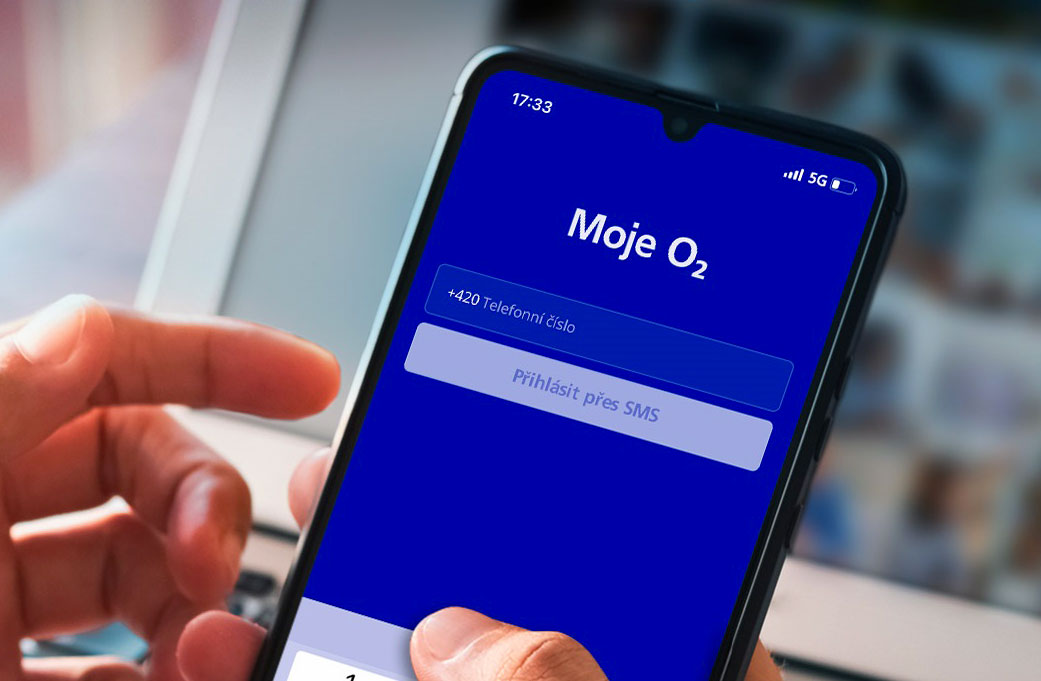
The O2 prepaid SIM card is called Go Karta. The starter tourist package includes 15 GB + 50 CZK for calls for 299 CZK (an eSIM will cost 99 CZK more). O2 has a convenient app, Moje O2, for managing your plan and topping up your balance.
Vodafone
Vodafone is third in subscriber numbers (around 2 million) but leads in 5G network coverage. According to Ookla data from 2024, Vodafone covers 93.74% of the country with its 5G network, more than any other operator. However, its absolute data speeds are slightly lower than its competitors.
A prepaid package from Vodafone includes 15 GB + 100 CZK for calls, valid for 30 days, and costs 499 CZK. Vodafone is slightly more expensive than its competitors but has historically been valued by tourists and expats for its service quality and roaming options.
,regionOfInterest=(2977,2243)&hash=a77e2152bf9e03bbd065de5e59107e492ac699ba1f3800b029451976a24971a4)
Prepaid or Contract: What to Choose
There are two basic ways to use mobile services in the Czech Republic.
Předplacená karta (prepaid SIM card): You add money to your account and spend it as needed, or you buy ready-made packages with a fixed amount of data, minutes, and SMS per month. This is suitable for those who have just arrived, don't have a Czech address or bank account yet, or simply want to try an operator without commitment.
Tarif na smlouvu (contract plan): You sign a contract with the operator, usually for 24 months, and pay a fixed monthly fee. Budget contract plans start at around 500 CZK per month, while more expensive packages with unlimited internet, calls, and SMS start from 800 CZK. A contract plan is more cost-effective, giving you more data and more stable conditions for the same price.
Most truly good deals are only available with a contract, which requires documents and often a Czech bank account. Right after arriving, you can get a prepaid card – it's fast, simple, and hassle-free. Then, once you have a permanent address and a bank account, you can switch to a contract for better prices.
Where and How to Buy a SIM Card
Official Operator Stores: This is the most reliable way. Staff will help you choose a plan, activate the card, and register it if you wish. T-Mobile, O2, and Vodafone stores are in all major cities and shopping centers. T-Mobile has terminals in the arrivals hall of Václav Havel Airport Prague.
Supermarkets and Hypermarkets: Albert, Billa, Tesco, Lidl, and Globus often sell starter packages right at the checkout or on separate stands. This is convenient for quick purchases.
Trafika (kiosks): Small newsstands that sell cigarettes, magazines, lottery tickets, and often SIM cards with top-up vouchers. They are found on almost every corner and are open almost every day.
Airport: It's technically possible, but the rates at airport counters are usually less favorable than in city stores. It's better to get a card in the city.
eSIM: A modern alternative to a physical card. T-Mobile, O2, and Vodafone offer eSIMs for prepaid customers, but you must follow the same registration requirements when purchasing. This is convenient for those who don't have a slot for a second physical card. There are also international eSIM providers (Jetpac, SimOptions, etc.) – they are easier to get but usually more expensive.
Documents for Buying a SIM Card
There is no mandatory registration for prepaid SIM cards in the Czech Republic. You can buy and activate a prepaid card without providing any documents. No passport, no residence permit – you just buy it and put the card in your phone. This is why prepaid cards are sold even in regular supermarkets at the checkout.
If you want to voluntarily register your number (recommended for long-term stays to make it easier to recover your number if lost or switch to a contract), one of the following documents is sufficient: a passport or other ID, a temporary protection visa (for Ukrainians), or a Czech residence permit, or a Czech foreigner ID card (OP cizince). Registration is done at an official operator store, takes a few minutes, and is free.
To get a contract, you will need: proof of address in the Czech Republic (rental agreement or registration), a bank account in a Czech bank, and in some cases, your birth number (rodné číslo) or date of birth for identification.
How Much It Costs: Price Overview
The Czech Republic is more expensive than the European average for mobile services. According to the BestBroadbandDeals comparison index, the Czech Republic has the highest prices for mobile data in Central and Eastern Europe: 1 GB costs about 66 CZK on average. However, mobile data prices in the country have fallen by 67% since 2020, so the trend is positive.
What you can roughly expect:
Prepaid Packages:
Starter SIM cards with 15 GB for 30 days cost 299–499 CZK, depending on the operator.
The SIM cards themselves start at 200 CZK, with the purchase amount usually credited to your balance.
Contract Plans:
The most affordable plan with unlimited calls and 10 GB of data costs an average of 653 CZK per month.
Unlimited plans with high speeds (5G, no data limits) range from 900 to 1,600 CZK per month.
Youth and Student Plans. All three major operators offer special conditions for young people under 26. Student plans start at 299 CZK per month. Some may require an ISIC student card. After turning 26 or finishing your studies, the discounted rate doesn't automatically end, but its cost will increase – it's best to switch to another plan in advance.
Virtual operators offer more flexible packages and are often 20–30% cheaper, especially if you make few calls and mainly use messaging apps.
Useful Tips for Living in the Czech Republic
Number Portability (portace čísla). If you get a SIM card from one operator and later find a better deal with another, you can transfer your number without changing it. The process is free and takes a few business days. To do this, you need to contact the new operator with your ID.
Topping Up Your Balance. You can top up a prepaid card in several ways: through the operator's app (the most convenient option), via bank transfer, through vouchers (kupóny) sold at kiosks and supermarkets, at post offices (Česká pošta), and at ATMs of some banks. If you don't top up your prepaid SIM card periodically, the unused balance will expire. Each operator has its own deadlines: usually, the card is "frozen" after 3–6 months without a top-up, and then deactivated. Pay attention to messages from your operator.
Operator Apps. Download them right away. Moje O2, Můj T-Mobile, and Můj Vodafone allow you to check your remaining data, top up your balance, change your plan, and contact support. The interface is in Czech, but it's not hard to figure out, and some have English language options.
Czech mobile services are not the cheapest in the EU, but they are reliable, well-covered, and very straightforward to set up. One trip to a store, and you're connected.