kompas
🏷️
VAT (value-added tax)

What does “DPH” mean in Czechia?

DPH (daň z přidané hodnoty) is Czech VAT (Value Added Tax).

Rates

  • 21% — standard rate
  • 12% — reduced rate: construction, catering, accommodation, hairdressers
  • 0% — books

🔴 Two registration thresholds — and they are different

  • 2,000,000 CZK → you become a taxpayer from January 1 of the next year. You can register voluntarily and immediately.
  • 2,536,500 CZK → you become a taxpayer from the 2nd day after exceeding the limit, automatically.

This means the first threshold gives you time until the end of the year, the second gives you almost no time.

How turnover is calculated

For a calendar year (January–December). Previously, it was calculated over 12 consecutive months — this old rule no longer applies.

Deadline for submitting the application

10 working days from exceeding the threshold.
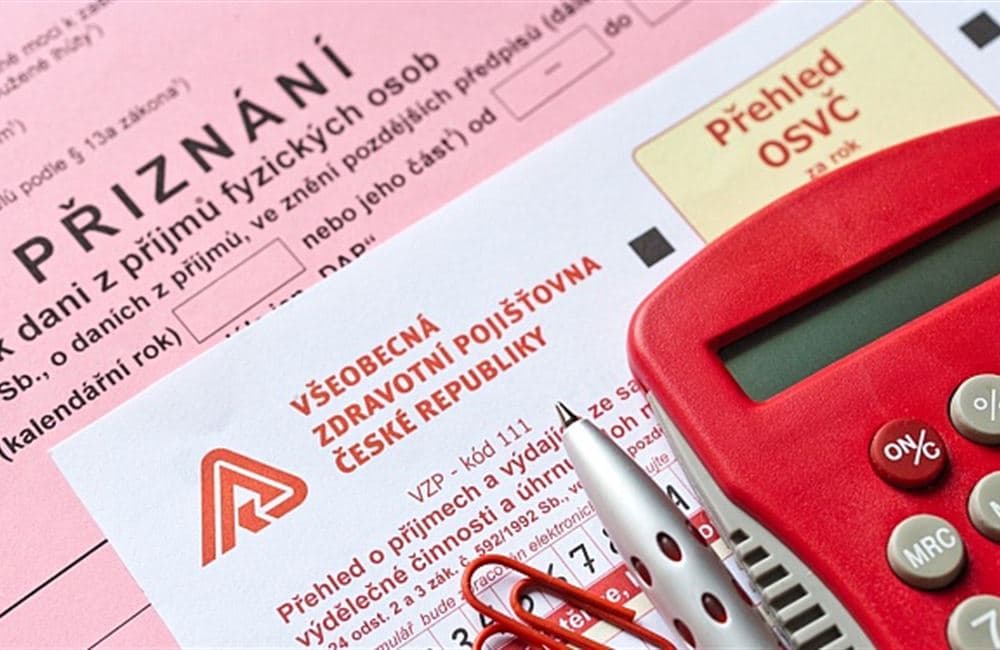
Important. If you become a VAT payer, you automatically leave the flat-rate tax regime. This combination is directly forbidden. Plan your transition in advance, not at the moment when the threshold is already passed.

Examples of use

SK
From January, I am a VAT payer.
SK
The basic VAT rate is 21%.

Articles on this topic

News on this topic

Frequently asked questions

What is the difference between the thresholds of 2,000,000 and 2,536,500 CZK?
Speed. If you exceed 2,000,000 Kč, you will become a payer from January 1 of the next year, meaning you have time to prepare. If you exceed 2,536,500 Kč, you become a payer from the 2nd day after exceeding the limit, automatically. You submit the application within 10 working days.
I am in the lump-sum regime and approaching the VAT threshold. What should I do?
Prepare for exit: a DPH payer (VAT payer) cannot be in the lump-sum tax regime. Note that an identified person is not a DPH payer, and they can remain in the lump-sum tax regime.

Similar terms