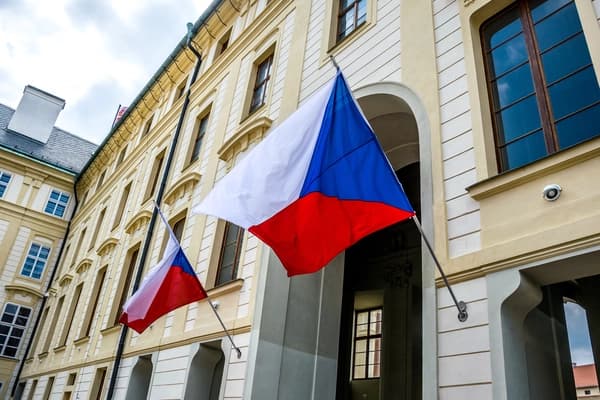

The Czech Republic seems like a calm, understandable country — and generally, it is. But it has a clear system of everyday rules that works quietly and unnoticed until one day a fine or an unpleasant conversation with the police arrives. Most migrants learn about these rules after the fact. This article is for you to learn about them in advance.
Rules for Throwing Away Trash
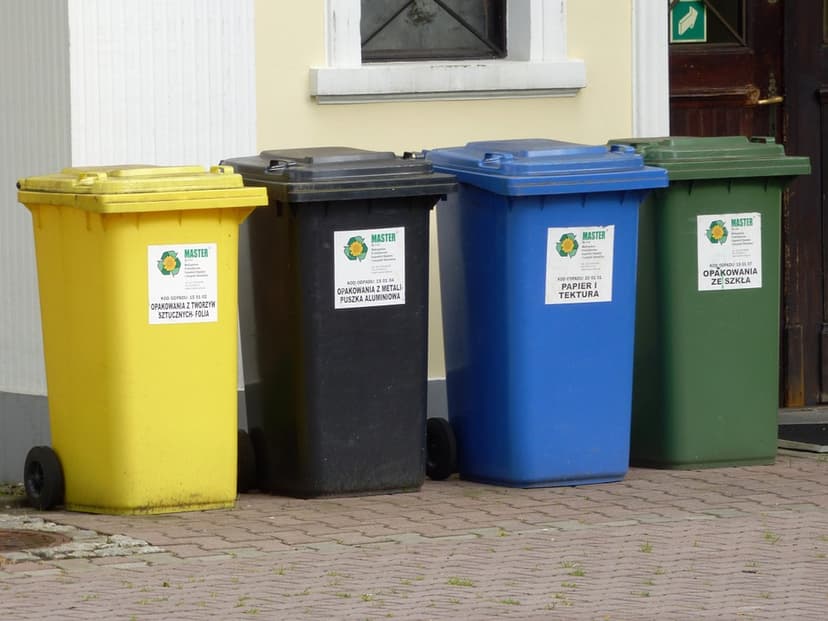
Separate waste collection in the Czech Republic is a mandatory, legally established norm. Containers are located in the courtyards of most buildings: blue for paper and cardboard, yellow for plastic, green and white for glass, gray/red for metal cans and foil/lids, brown for food and bio-waste, and black for residual waste that cannot be recycled. Starting in 2025, containers for textiles will be added.
Several rules that are most often broken:
You cannot throw trash into someone else's container, even if yours is full. In this case, you need to inform the management company or the municipality.
You cannot leave bags next to the bin — the trash must be inside the container.
You cannot take anything out of a container — discarded trash is legally still someone's property, just not yours. By taking it, you risk a fine.
Bulky items — old furniture, household appliances — cannot simply be left by the entrance. Each municipality has special collection days for large waste or drop-off points (sběrný dvůr), which are usually free.
Parking in the Czech Republic: Zones, Permits, Fines
The parking system in large Czech cities, especially Prague, divides streets into colored zones with different rules. Not knowing this system is expensive.
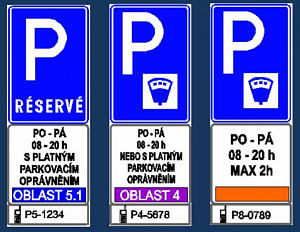
Prague has four main types of paid parking zones. The **blue zone** is the strictest: it is intended for residents with an annual permit. Everyone else can park their car for no more than 3 hours, and only through a special mobile application. The **purple zone** is for both residents and guests — everyone can park for up to 24 hours after paying through the app or a parking meter. The **orange zone** is for short-term parking up to 3 hours, available to everyone with mandatory payment. Finally, **P+R** (Park and Ride) zones are located near metro stations and are intended for those transferring to public transport.
For violating parking rules, there are two types of sanctions: wheel clamping (costs 1,000 to 1,500 CZK to remove) or car towing (700 CZK for towing plus an additional fine). Parking in a disabled spot incurs a fine of 5,000–10,000 CZK.
If you live in the city permanently, get a resident permit at the district mayor's office (magistrát nebo městský úřad). For residents, it costs 200 CZK per year. For foreigners with a residence permit and a registered car, the permit is also available — you will need a lease or ownership agreement, your registration, and car documents.
Night Order and Quiet Hours
In the Czech Republic, the concept of "night quiet" (noční klid) is not a recommendation but a legal norm. According to Law No. 251/2016 Coll., night quiet lasts from 10:00 PM to 6:00 AM. During this time, any sounds that can disturb the peace of neighbors are prohibited: loud music, parties, noisy moving, drilling.
Violation of night quiet is an administrative offense, punishable by a fine of up to 10,000 CZK. For repeated violations, the amount can increase to 15,000 CZK.
If you are the one violating the rules, the police will be called, and they have the right to issue a fine on the spot. If your neighbors are violating the rules, the mechanism is the same: call the municipal (městská policie) or state police, who are obliged to come.
An important nuance: in some buildings, the house rules may restrict noise even earlier. It happens that in apartment buildings, drilling and hammering are prohibited from 6:00 PM, especially on weekdays. Therefore, the first thing to do after moving in is to find and read the house rules of your building.
Sunday quiet (nedělní klid) is a separate issue. There is no single nationwide law, but a number of municipalities have introduced local ordinances prohibiting the use of lawnmowers, electric saws, angle grinders, drills, and other noisy equipment on Sundays and public holidays. Before starting repairs or garden work, check the rules for your specific city or district.
Living in an Apartment Building
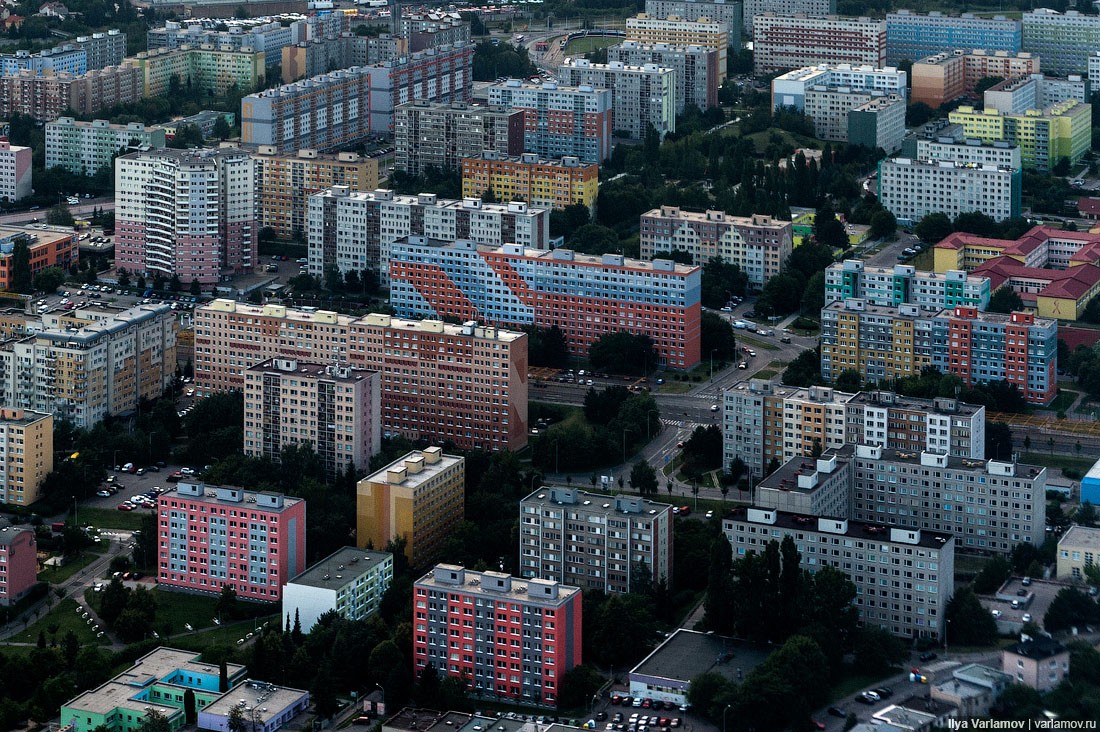
Almost every apartment building in the Czech Republic has a domovní řád — internal rules that govern life in the building. It is mandatory for everyone: not only permanent residents but also their guests and any persons present in the common areas of the building. The law does not require the mandatory presence of such a document, but most buildings have one, and it has legal force.
What the house rules usually regulate:
Smoking. The homeowners' association (SVJ) has the right to prohibit smoking on balconies and in front of the building if it concerns land under common management.
Renovations and noisy work. As a rule, these are allowed only on weekdays during specific hours, for example, from 8:00 AM to 6:00 PM.
Pets. Rules for keeping pets are often specified in the house rules — some buildings require notification of the SVJ.
Subletting and Airbnb. If you rent an apartment and want to sublet it through short-term rental platforms, this is almost always a violation. Violating this condition gives the owner the right to terminate the lease agreement. If you are the owner, the situation is more complicated, but here too, you must comply with building regulations and tax obligations.
After moving in, be sure to ask the management company or your neighbors to provide you with the current domovní řád. If the document is in Czech, translate at least the key points.
Things People Often Forget
Registration of Residence (hlášení pobytu)
This is one of the most common violations among migrants. A citizen from a non-EU country is obliged to report their place of residence to the Foreign Police within 3 working days of entering the country. EU citizens must do so within 30 days if their planned stay exceeds 30 days. If you are accommodated by a hotel, hostel, or official housing provider, they may do it for you. If you rent an apartment from a private individual, registration is usually your responsibility. Failure to comply with this obligation is punishable by a fine of up to 3,000 CZK.
Health Insurance
All foreigners staying legally in the Czech Republic are required to have health insurance. EU citizens working under an employment contract are automatically covered by the Czech public health insurance system (veřejné zdravotní pojištění). All others — including students and the self-employed — are required to purchase commercial insurance that meets the coverage requirements for a residence permit. Lack of insurance can be grounds for refusal to extend a residence permit.
Changing Driving License Category
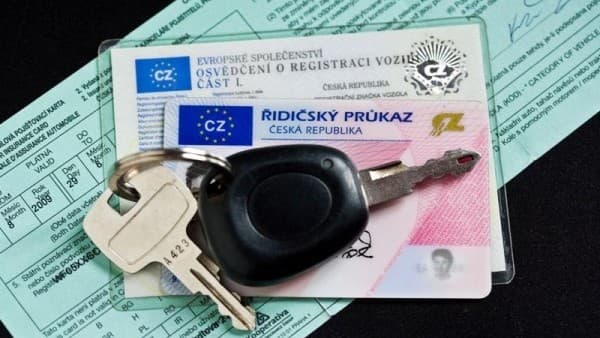
This point catches many by surprise. If you have obtained a permanent or temporary residence permit for more than one year, you are obliged to exchange your foreign driver's license for a Czech one within 3 months. Failure to comply with this deadline formally means driving a vehicle without valid documents.
The Czech Republic is a country where rules work. Not because the police are on every corner, but because the system is built in such a way that violations are eventually discovered — through neighbors, the management company, or automatic checks. Ignorance of the law does not exempt from responsibility, but knowledge reliably protects you from it. Spend an hour learning the rules of your building, district, and city: it will save you both money and nerves.